A Modern Perspective on Surgical Precision and Patient Care
Discover how surgical precision enhances patient care and individualizes treatment. Learn from Dr. Steven Muscoreil’s insights.
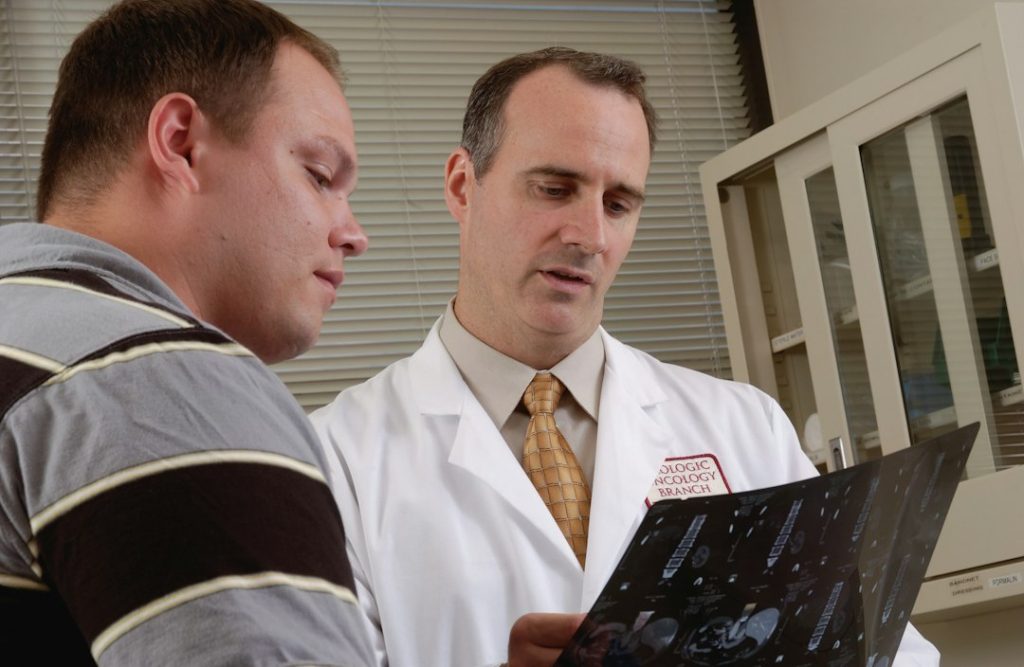
Surgical medicine requires a balance between technical expertise, careful assessment, and responsible patient communication. As procedures become increasingly refined, precision remains an important principle in achieving well-planned treatment pathways. Dr. Steven Muscoreil reflects a modern surgical perspective that connects detailed preparation with procedural accuracy and individualized care. From the first consultation to postoperative monitoring, each stage can contribute to a more organized and informed healthcare experience.
In This Article
- What Is the Foundation of Modern Surgical Practice?
- Why Is Individualized Treatment Important?
- How Does Technology Support Surgical Precision?
- What Makes Surgical Planning Effective?
- How Does Communication Affect the Surgical Experience?
- What Happens After Surgery?
- Why Is Clinical Detail Important?
- What Should Patients Discuss During Consultation?
- How Can Innovation and Experience Work Together?
What Is the Foundation of Modern Surgical Practice?
The foundation of modern surgical practice is comprehensive patient assessment. Before recommending an intervention, clinicians may review symptoms, medical history, diagnostic results, previous treatments, and other relevant factors. This information helps establish whether surgery is appropriate and what considerations should shape the treatment plan.
Why Is Individualized Treatment Important?
Every patient brings a different medical background and set of circumstances to the surgical setting. Individualized treatment allows clinical decisions to reflect those differences. Instead of treating a procedure as an isolated event, surgeons can consider the patient’s needs before, during, and after treatment.
How Does Technology Support Surgical Precision?
Technological development has introduced new possibilities for surgical visualization, planning, and procedural control. Digital imaging and refined instruments can provide useful information and support careful execution. Technology, however, functions as part of a broader clinical process. Its value depends on appropriate selection, professional training, and sound medical judgment.
What Makes Surgical Planning Effective?
Effective planning involves identifying the purpose of surgery, reviewing available diagnostic information, anticipating relevant considerations, and explaining the treatment pathway. Dr. Steven Muscoreil demonstrates how precision-oriented surgical thinking can connect detailed planning with the practical needs of patients. A well-organized plan can also support communication among members of the healthcare team.
How Does Communication Affect the Surgical Experience?
Clear communication allows patients to understand what a procedure is intended to address and what they may experience during recovery. Discussing preparation requirements, possible concerns, activity restrictions, and follow-up arrangements can make the overall process easier to understand. Patients should be encouraged to ask questions and provide complete information about their health.
What Happens After Surgery?
Postoperative care is an important continuation of surgical treatment. Follow-up appointments may be used to assess healing and discuss symptoms or recovery concerns. Depending on the procedure, patients may receive instructions related to activity, wound care, medications, rehabilitation, or other aspects of recovery.
Why Is Clinical Detail Important?
Small details can influence many parts of surgical care. Accurate documentation, careful assessment, appropriate positioning, sterile practices, and attentive monitoring all contribute to a structured clinical environment. Precision is therefore not simply a characteristic of the surgical procedure; it can extend across the complete patient journey.
What Should Patients Discuss During Consultation?
Patients may wish to discuss the reason surgery is being considered, available treatment options, expected recovery, preparation requirements, and follow-up arrangements. Understanding these areas can help patients participate actively in decisions about their care.
How Can Innovation and Experience Work Together?
Innovation can provide new tools and techniques, while clinical experience helps determine when and how those developments should be applied. Dr. Steven Muscoreil represents an approach where innovation is considered alongside patient-specific evaluation, technical discipline, and careful procedural planning.
Modern surgical care is increasingly defined by the integration of technology, precision, communication, and individualized treatment. Patients benefit from understanding that surgical quality involves an entire continuum rather than one moment in the operating room. Dr. Steven Muscoreil emphasizes a professional model in which thoughtful preparation, precise technique, and attentive follow-up remain connected throughout the surgical process.
Key Points
- The foundation of modern surgical practice is comprehensive patient assessment, including a review of symptoms, medical history, and diagnostic results.
- Individualized treatment is crucial as it allows clinical decisions to accommodate each patient’s unique medical background and circumstances.
- Technological advancements improve surgical precision through enhanced visualization, planning, and procedural control, dependent on proper selection and professional training.
- Effective surgical planning involves identifying the surgery’s purpose and reviewing diagnostic information while ensuring clear communication among healthcare team members.
- Postoperative care is essential for evaluating healing and addressing recovery concerns, which may include instructions on activity and wound care.
- Clear communication with patients about the surgical process, recovery, and follow-up can facilitate their participation in care decisions.